by Angela Halderson
As the seasons shift and temperatures drop, many people brace for the arrival of cold and flu season. While these respiratory infections are common, they can leave us feeling drained, achy, and sidelined from our daily routines. The good news? Nature offers several herbal allies that may help reduce the risk of catching a cold or flu, and in some cases, may even shorten the duration and severity of symptoms.
Understanding Colds and Flu
The common cold is usually caused by rhinoviruses, while influenza stems from influenza viruses. Both spread through respiratory droplets when someone coughs, sneezes, or even talks. Symptoms overlap—congestion, sore throat, cough, fatigue, and fever—but the flu tends to hit harder and last longer. While modern medicine offers vaccines for influenza and antiviral medications for severe cases, there are supportive measures we can take to strengthen the immune system and ease discomfort naturally.
Elderberry: A Traditional Immune Ally
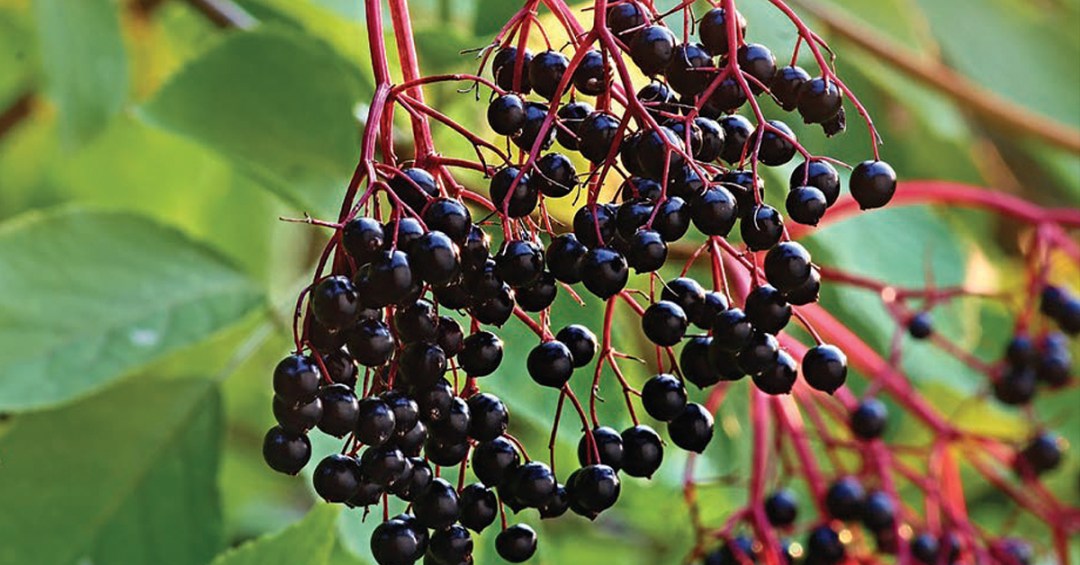
Elderberry (Sambucus nigra) has a long history in European folk medicine as a remedy for fevers, colds, and flu. Rich in antioxidants, especially anthocyanins, elderberry is thought to support immune function by modulating cytokine activity and reducing viral replication.
- Research highlights: Several clinical trials suggest elderberry extract may reduce the duration and severity of flu-like symptoms when taken early in the course of illness. A 2019 meta-analysis found that elderberry supplementation significantly reduced upper respiratory symptoms compared to a placebo.
- How to use it: Elderberry is often prepared as a syrup, lozenge, or tea. Many families keep elderberry syrup on hand as part of their winter wellness routine.
Other Herbal Helpers for Cold and Flu Season
- Echinacea: Often called the “purple coneflower,” echinacea may stimulate immune cell activity. Studies are mixed, but some show echinacea can reduce the likelihood of catching a cold when taken preventively.
- Garlic: Rich in sulfur compounds like allicin, garlic has demonstrated antiviral and immune-supporting effects. Regular consumption may lower the frequency of colds.
- Honey: While not an herb, honey has natural antibacterial properties and can calm coughs. Adding honey to warm herbal tea provides soothing relief.
Lifestyle Matters, Too
Herbal remedies work best when combined with foundational wellness practices. Adequate sleep, balanced nutrition, hydration, and stress management all play essential roles in immune resilience. Regular handwashing and mindful contact with others remain the simplest and most effective methods for reducing the spread of respiratory infections.
Bringing It All Together
Colds and flu are part of life, but we’re not powerless in facing them. Elderberry stands out as a time-honored and well-studied ally, while herbs like echinacea, ginger, garlic, and soothing spices offer additional layers of support. Incorporating these botanicals into teas, syrups, and meals can be a comforting, proactive way to care for ourselves and our families during the cold months.
By weaving together herbal wisdom with everyday healthy habits, we can enter all cold-weather months feeling more prepared, supported, and resilient. Create your own elderberry elixir recipe by visiting http://www.strongmeridian.com/blog
This article was originally published in the October 2025 issue of Appleton Monthly Magazine.