by Steve Johnson
We wear our cheeseheads not only because we are proud Packers fans, but also because we know that our state produces some of the best artisanal cheese in the world. We have been doing this cheese thing for quite a while here, but recently, the Frozen Tundra has also become home to wines that are also grown and produced here, in this unexpected corner of the wine world.
One of the great joys of the food and drink world is pairing amazing cheeses with delicious wines. The French and Italians have been perfecting this for hundreds of years.
Terroir is a set of environmental factors that create a sense of regionality. When it comes to wine and cheese, both products reflect the impact of sunshine, temperatures, soils, and the skills of local craftsmen. This sense of terroir brings these regional products together. That is why wine from Italy often tastes better with cheese from Italy, and French wine and French cheese work so well together. Now it’s Wisconsin’s turn.
To enjoy cheese with wine, first taste them separately to understand their unique flavors and textures. Then, try to match the intensity and texture of each. Lighter cheeses pair well with lighter wines, while bolder cheeses pair well with bolder wines.
Another tip is to remember that tannin, primarily in red wines, cuts through the fat in cheese and gives you a harmonious balance on your palate. Sweeter wines can also counterbalance the saltiness of some cheeses.
Now sip the wine and inhale a bit of the wine’s aroma over your tongue, take a bite of cheese, then sip the wine again. You will notice how the interaction of the two gives you a third dimension of flavor and experience. It can be almost otherworldly.
Now let’s talk about some Wisconsin cheese and Wisconsin wine combinations that work particularly well.
Soft cheeses, such as brie or goat cheese, are made for crisp white wines. The acidity in Wisconsin-grown wines like Frontenac Blanc, Itasca, and Lacrescent will make your mouth water as you enjoy the creamy texture of these cheeses. Other complementary wines include sauvignon blanc and pinot gris.
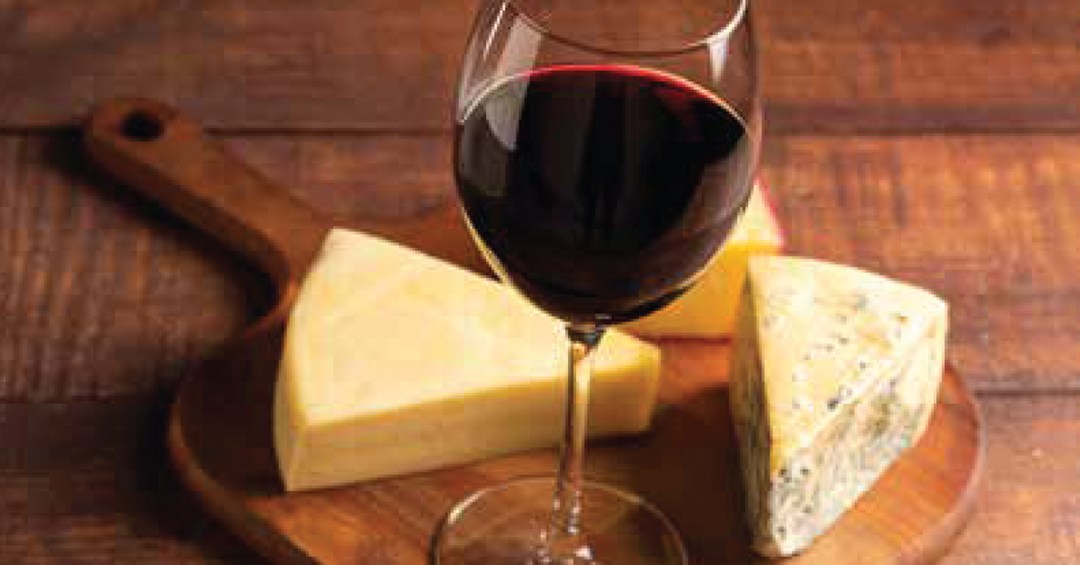
Hard cheeses like aged cheddar and parmesan are made for bolder reds like Marquette and Frontenac because those wines work well with the protein and higher fat of those cheeses. Other complementary wines include cabernet sauvignon and malbec.
Blue cheeses like Gorgonzola and Roquefort are made for sweet wines like icewine, ice cider, or port wines. The power of each is balanced and enhanced by the other.
The balancing of flavors and textures, and the combination of what each brings to the party, is the magic of enjoying cheese with wine.
The next time you sit down and entertain guests, consider proudly serving and pairing Wisconsin cheese with Wisconsin wine. It’s a unique experience and one that your guests will remember as we build a tradition much like our Italian and French counterparts have for hundreds of years.
This article was originally published in the March 2026 issue of Appleton Monthly Magazine.